
DPF, FAP, or a diesel particulate filter is a component of the exhaust system in diesel vehicles, designed to capture soot and particulate emissions. This system is most commonly installed in newer diesel vehicles, roughly from 2005–2006 onward.
The purpose of the DPF filter is to reduce the amount of harmful particles released into the environment. During operation, soot accumulates in the filter, so the vehicle’s control system periodically initiates a regeneration process – the filter’s self-cleaning cycle. However, over time, especially when driving short distances, in city traffic, or when engine faults are present, the DPF filter can become clogged.
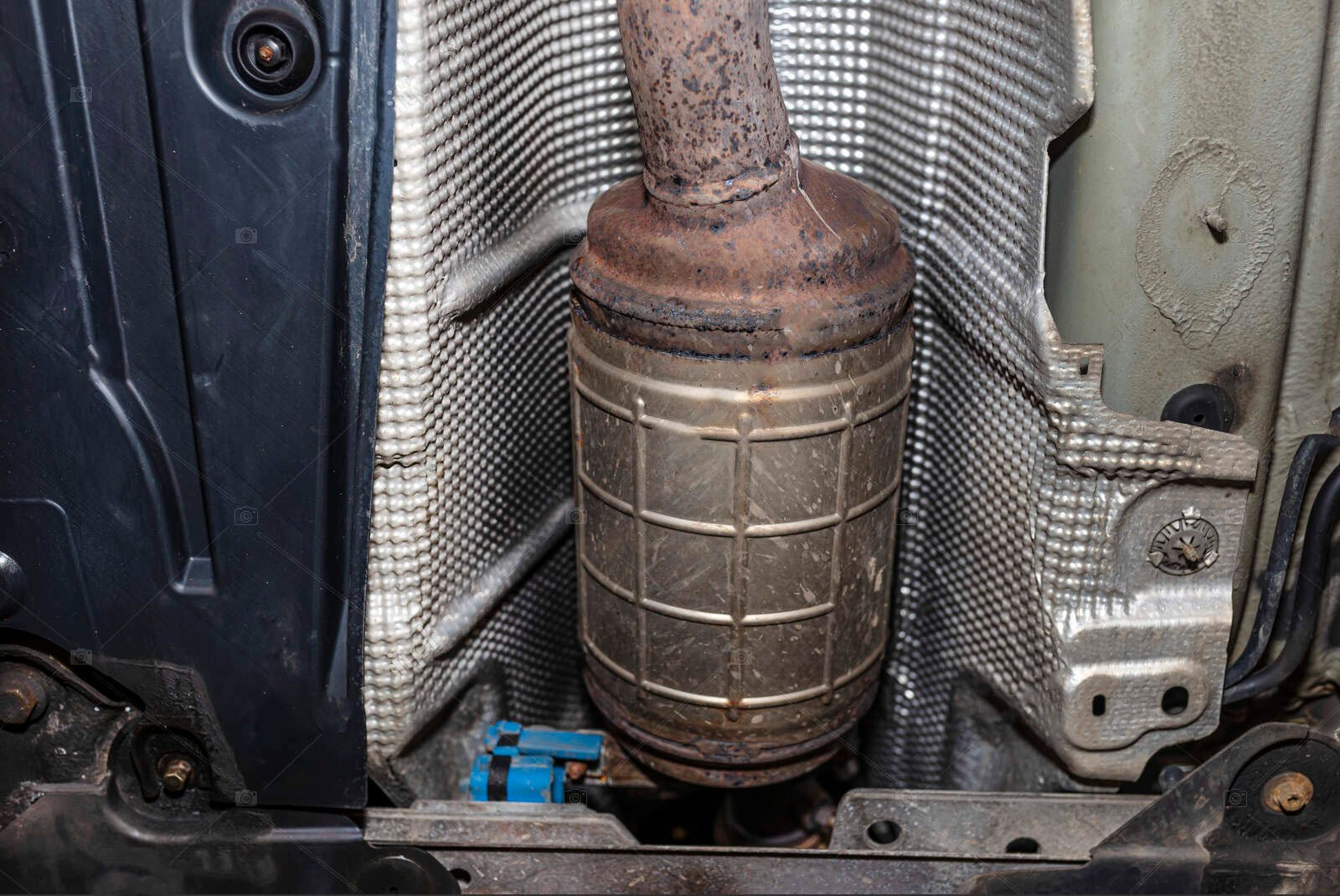
A clogged or malfunctioning DPF filter can affect the vehicle’s power, fuel consumption, and overall engine operation. The problem should not be ignored, as over time it may affect the turbocharger, injectors, EGR system, or other engine components.
The most common signs of DPF problems include:
If these symptoms are noticed, it is first recommended to perform professional diagnostics and identify the true cause of the problem.
The DPF filter does not always become clogged solely due to natural wear. Filter problems often arise from other faults or improper operating conditions.
The most common causes include:
Therefore, simply cleaning or replacing the filter is not always enough. It is important to eliminate the cause that made the DPF system start operating incorrectly.
After diagnostics, the most suitable solution can be selected based on the vehicle’s condition, the level of filter blockage, and the client’s needs.
1. Forced DPF Regeneration
In some cases, forced regeneration can be performed using diagnostic equipment. This may help if the filter is not yet critically clogged and all required sensors and engine systems are functioning properly.
2. DPF Filter Cleaning
If the filter is clogged but still suitable for use, professional filter cleaning can be performed. This is often a more economical solution than replacing the filter.
3. DPF Filter Replacement
When the filter is physically damaged, too heavily filled with ash, or cleaning no longer produces results, filter replacement may be required.
4. DPF System Software Work
In some cases, DPF system software adaptation, fault analysis, regeneration parameter checking, or control unit software corrections may be required. Such work must be carried out responsibly, using professional equipment and in compliance with applicable technical and legal requirements.
The DPF system is closely linked to engine management, turbocharger operation, fuel delivery, the EGR system, and exhaust gas control. Improperly performed programming or mechanical work can cause additional faults, increased smoke emissions, errors in the control unit, or problems during technical inspection.
Professional work does not start with guessing, but with accurate diagnostics. It is necessary to assess:
Only after evaluating this data can the most suitable solution for the vehicle be determined.
At Diagnet™, we handle DPF problems responsibly. First, we perform diagnostics, identify the cause of the fault, and only then recommend a specific solution.
Our goal is not to temporarily clear a fault, but to solve the problem so that the vehicle operates stably, safely, and reliably.
We perform:
If your vehicle has lost power, frequently regenerates the DPF filter, produces more smoke, or a warning light has appeared – do not delay. The sooner the problem is identified, the greater the chance of avoiding expensive repairs.
Contact Diagnet™ at info@diagnet.lt – we will perform diagnostics, assess the condition of the DPF system, and offer the most suitable solution for your vehicle.