
When seeking to achieve more power than the engine reserve left by the manufacturer allows, ECU programming alone may not be enough. In such cases, mechanical modifications are required to increase airflow, improve cooling, reduce exhaust system back pressure, and prepare the vehicle for higher loads.
Mechanical modifications must always be combined with custom ECU programming. This is the only way to achieve a safe
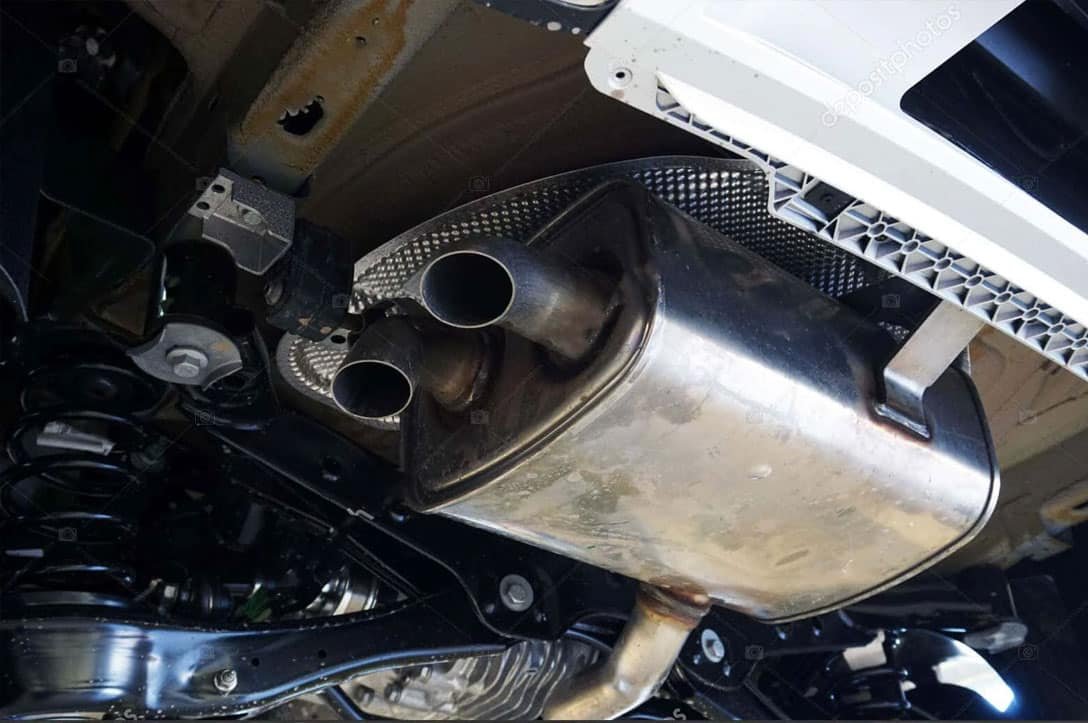
A factory engine has certain technical limits. Stage 1 tuning usually uses the safe reserve left by the manufacturer without requiring additional mechanical changes. However, when aiming for higher power, it is important to ensure that the engine receives more air, removes exhaust gases more efficiently, and maintains proper operating temperatures.
Mechanical modifications may be required to:
Stage 1 is the first power upgrade stage, where the reserve left by the manufacturer in the engine management system is used. In most cases, this stage does not require mechanical modifications, provided that the vehicle is in good technical condition.
During Stage 1 programming, engine management parameters are adjusted, such as turbocharger pressure, fuel delivery, torque limits, and other ECU maps.
Stage 1 is suitable when you want to:
Programming is carried out individually for each vehicle, taking into account its technical condition, engine type, and the customer’s needs.
Stage 2 is a higher power upgrade stage where mechanical modifications are carried out together with ECU programming. This stage is intended for those who want more power than the safe factory reserve allows.
The most common Stage 2 modifications include:
Stage 2 allows for a greater power increase, but requires precise calibration. Incorrectly selected modifications or poor-quality programming may have a negative impact on the engine, turbocharger, or transmission.
Therefore, every Stage 2 project requires an individual solution and responsible ECU software calibration.
Stage 3 is the highest level of power upgrading, where the vehicle is modified comprehensively. At this stage, the main engine and auxiliary system components are often replaced or upgraded.
Stage 3 may include:
Stage 3 projects require the most preparation, diagnostics, and precise programming. At this stage, it is important not only to achieve high power, but also to ensure that the vehicle remains controllable, reliable, and suitable for its intended use.
In some cases, higher-level or fully custom power upgrade stages are also possible. This depends on the vehicle’s design, engine potential, the customer’s goals, and budget.
Custom projects may be intended for:
Such projects require a clear plan: the target power level, how the vehicle will be used, which components are required, and which safety limits must be maintained.
Power upgrading is not just about installing individual parts. All components must work together as one system. Even expensive parts will not deliver good results if they are selected incorrectly or not properly matched with the ECU software.
Before choosing modifications, it is important to assess:
Proper preparation helps avoid unnecessary costs and ensures a more reliable result.
At Diagnet™, we view mechanical modifications as a complete system. First, we assess the vehicle’s condition, the client’s goals, and the realistic technical possibilities. Only then do we recommend the right components and software solution.
Our goal is not only to increase power, but also to maintain safe, stable, and predictable vehicle operation.
We provide:
It is worth contacting us if:
Contact Diagnet™ at info@diagnet.lt – we will assess your vehicle’s potential, help you choose the right modifications, and prepare an individual power increase solution.