
Automatic transmission programming

We perform automatic transmission programming, adaptations, and coding after replacement work. These services may be required both after power upgrades and after transmission repair, replacement, or software changes to control units.

An automatic transmission is closely linked to engine management, so ECU programming alone is not always enough to achieve the best result. In some cases, TCU / DSG / automatic transmission control unit programming is also required.
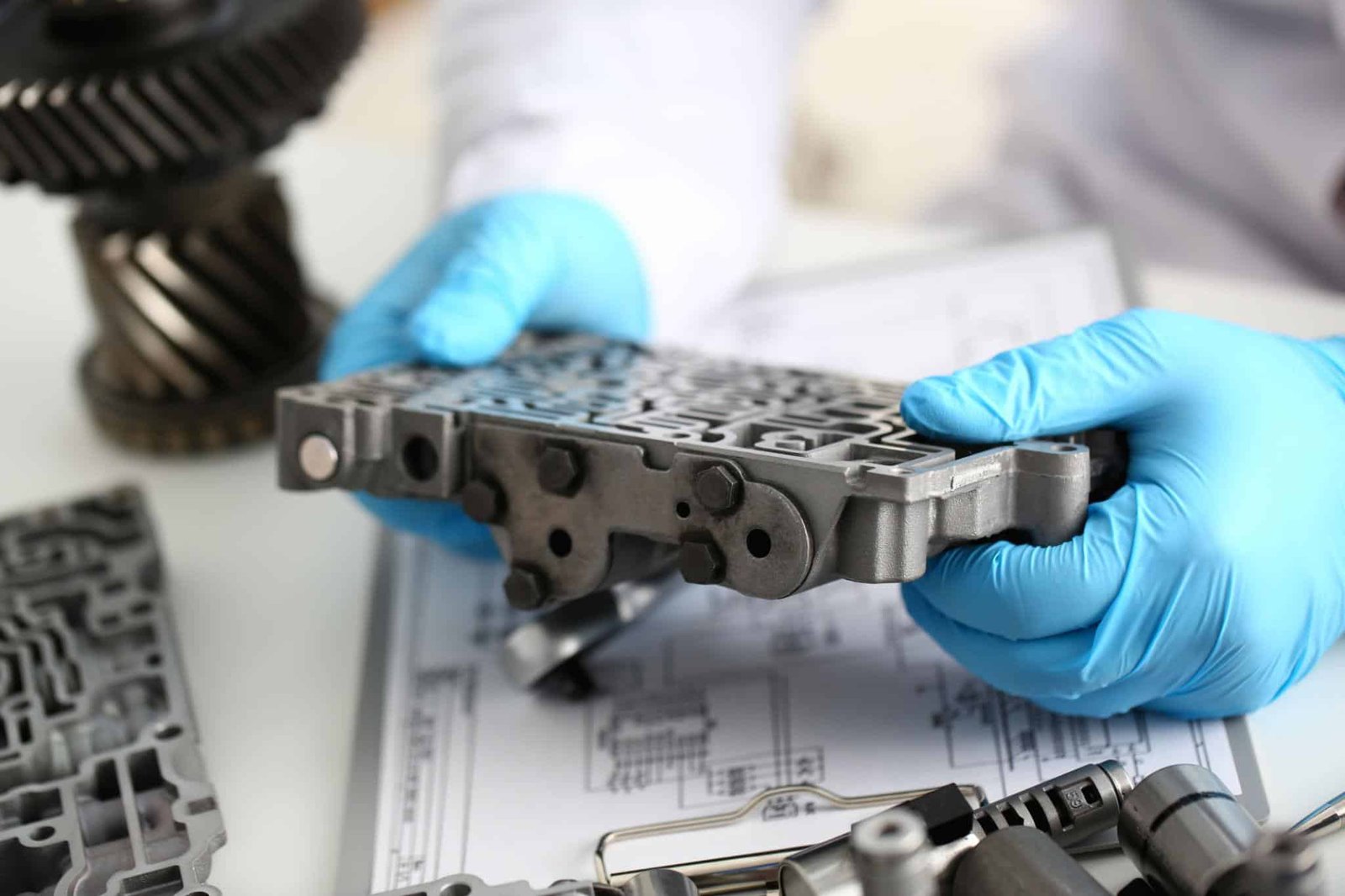
Why is transmission programming needed?

When increasing power, the engine begins to generate higher torque. If the transmission control software remains factory-standard, it may limit the engine’s potential, shift gears too early, or respond incorrectly to the increased load.Transmission programming allows the engine and transmission to work together more effectively, especially when the vehicle has undergone Stage 1, Stage 2, or higher-level power upgrades.Properly performed programming can help:
  • shift gears faster;
  • improve throttle response;
  • use engine torque more efficiently;
  • reduce unnecessary gear “hunting”;
  • improve driving in sport mode;
  • optimize gear shift logic;
  • adapt the transmission to increased engine power;
  • increase permitted torque limits;
  • in some cases – adjust RPM limits or launch control operation.

When is automatic transmission programming recommended?

Automatic transmission programming is most often recommended when the vehicle is being modified or when the factory transmission logic limits the desired result.

These services may be relevant if:

  • the vehicle has undergone or is planned for a power upgrade;
  • after an ECU remap, the transmission does not operate as smoothly as desired;
  • gear shifts are too slow;
  • the transmission shifts too early or too late;
    torque limitation is felt;
  • a sportier transmission behavior is desired;
  • a Stage 2 or Stage 3 project is being carried out;
    the transmission operation needs to be adapted to individual modifications.

In sports and higher-power projects, transmission programming is often an essential part, as without it the engine’s full potential cannot be fully utilized.

Transmission Adaptation

In addition to programming, we also perform automatic transmission adaptations. Adaptation is required so that the transmission control unit can properly adjust to the mechanical condition of the transmission, clutches, pressures, shift points, and other parameters.

Adaptation may be required:

  • after transmission repair;
  • after clutch or mechatronics repair;
  • after an oil change;
  • after programming work;
  • when gear shifts are uneven;
  • when jerking or harsh shifting is felt;
  • when the transmission has been replaced with another used or refurbished unit.

Properly performed adaptation helps ensure smoother and more stable transmission operation.

Transmission Coding After Replacement

When replacing an automatic transmission, mechatronics unit, or control module, it is often not enough to simply install the component physically. In many modern vehicles, the transmission must be coded, programmed, or matched to the vehicle’s electronic systems.

Coding may be required after:

  • automatic transmission replacement;
  • DSG transmission replacement;
  • mechatronics unit replacement;
  • TCU control module replacement;
  • installation of a used transmission;
  • software update;
  • control module configuration changes.

Without proper coding, the vehicle may not display gears, may not drive, may operate in limp mode, or may show transmission faults.

Which vehicles do we most often work with?

Automatic transmission programming, adaptation, and coding are most often performed for:

  • VAG Group vehicles: Volkswagen, Audi, Škoda, Seat;
  • BMW vehicles;
  • Mercedes-Benz vehicles;
  • other vehicles depending on the control unit and transmission type.

We work with various types of automatic transmissions, including DSG, Tiptronic, ZF, 7G-Tronic, 8HP, and other systems, depending on the vehicle model and technical capabilities.

Why is diagnostics important?

Before programming or adaptation, it is important to assess the condition of the transmission. If the transmission has mechanical defects, worn clutches, pressure problems, or mechatronics faults, programming alone will not solve the issue.

During diagnostics, we assess:

  • transmission faults;
  • live transmission data;
  • clutch or pressure parameters;
  • oil temperatures;
  • shift quality;
  • ECU and TCU interaction;
  • whether programming, adaptation, or mechanical repair is required.

This allows us to select the most suitable solution and avoid unnecessary work.

Diagnet™ Approach

At Diagnet™, we consider automatic transmission programming an important part of overall vehicle management. The engine and transmission must work together in harmony, especially when the vehicle has been modified or is used for more active driving.We perform:
  • automatic transmission programming;
  • TCU / DSG control unit software work;
  • transmission adaptations;
  • coding after transmission or mechatronics replacement;
  • transmission fault diagnostics;
  • transmission operation adjustment after power upgrades;
  • individual solutions based on the vehicle and the client’s needs.

When is it worth contacting us?

It is worth contacting us if:

  • after a power upgrade, the transmission limits the engine’s capabilities;
  • gear shifts are too slow or uneven;
  • jerking or harsh shifting is felt;
  • the transmission, mechatronics unit, or TCU module has been replaced;
  • DSG / automatic transmission adaptation is required;
  • you want sportier and more precise transmission operation;
  • you are preparing the vehicle for a Stage1, Stage 2 or Stage 3 project.

Contact Diagnet™ at info@diagnet.lt – we will perform diagnostics, assess the condition of the transmission, and offer the most suitable software solution.