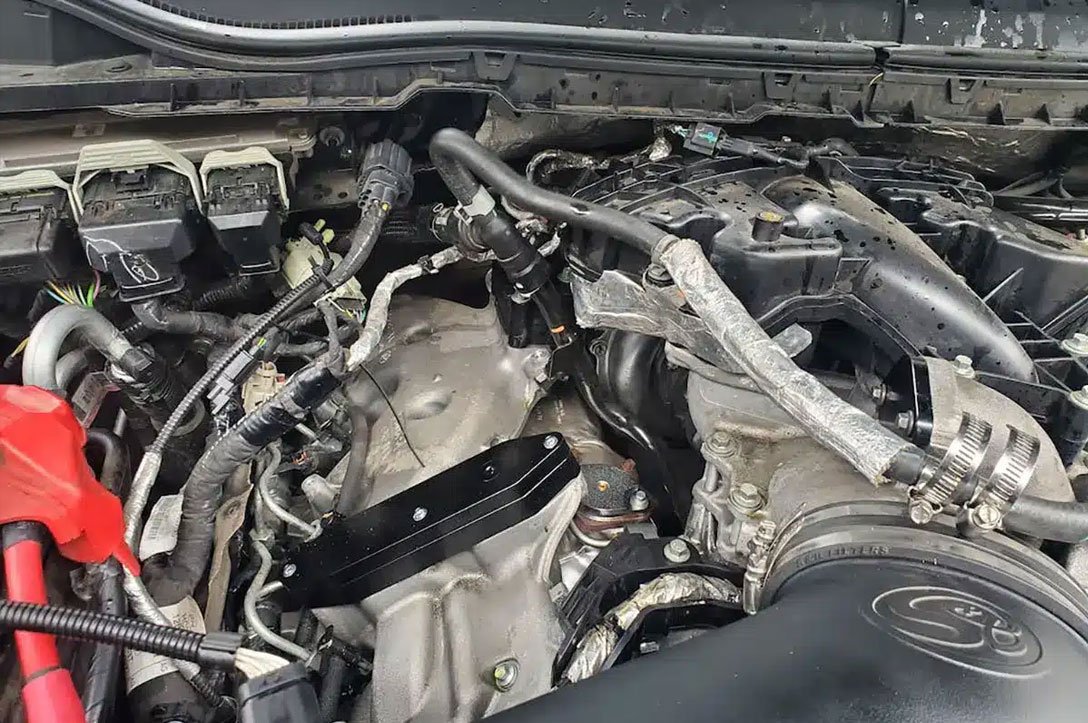
A malfunctioning EGR valve can affect engine operation, power, fuel consumption, and other vehicle systems. EGR faults are often confused with turbocharger, injector, DPF, or air intake problems, which is why accurate diagnostics are very important.
The most common signs of EGR failure include:
If you notice these symptoms, it is recommended not to delay and to have the EGR system checked.
The EGR valve operates under difficult conditions – hot exhaust gases, soot, and combustion by-products circulate through it. Over time, these deposits accumulate on the valve, intake manifold, and related channels.
The most common causes of EGR problems include:
An EGR fault can cause more soot to build up in the engine, intake manifold, valves, injectors, and DPF filter. Therefore, the problem often affects not just one system, but several interconnected systems.
The EGR system is closely linked to air intake, fuel mixture control, the turbocharger, the DPF filter, and the engine control unit. Therefore, simply reading the fault code often does not reveal the full problem.
When performing EGR diagnostics, it is important to assess:
Only after comprehensive diagnostics can it be accurately determined whether the problem is truly related to the EGR system or caused by another part of the engine management system.
At Diagnet™, we handle EGR system faults responsibly. First, we perform diagnostics, evaluate the vehicle’s real operating parameters, and identify the exact cause of the fault.
Our goal is not only to remove the fault from the control unit, but also to understand why it occurred. This helps prevent recurring faults and unnecessary expenses.
We perform: